Introduction:
Recording every sale properly is an important part of running a business. Some small businesses still write their sales in a register, while many others have started using digital POS systems. Both methods can be used to record transactions, but the way they handle information is quite different. A POS system can make everyday tasks faster and easier, while a manual register requires more work from the person handling the sales.
H2:What Is a Point of Sale (POS)?
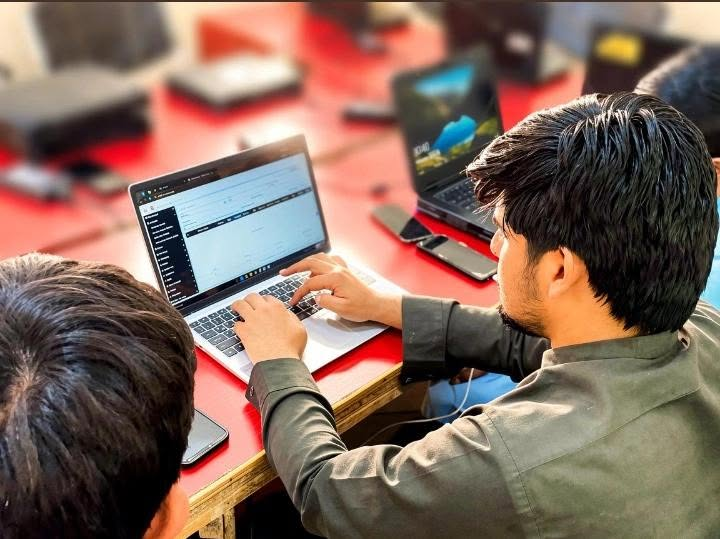
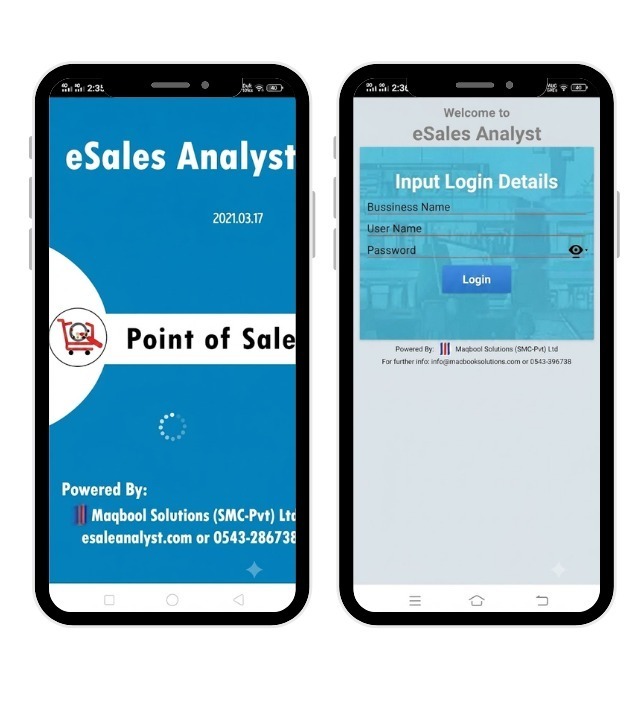
A Point of Sale (POS) system is a digital solution used to manage sales and other business activities. When a customer buys something, the system records the transaction and can also update the available stock. Many POS systems can create receipts and provide sales information, helping business owners keep their records organized.

H2: What Is a Manual Register?
A manual register is a simple paper-based method for keeping track of business sales. Instead of using digital software, the person handling the counter records purchase details in a physical book or register. The amount for each purchase is worked out without the help of POS software. This approach can be convenient for a small shop with only a few customers, but managing a large number of sales this way can become difficult and time-consuming.

H2: Point of Sale (POS) vs Manual Register: Key Differences
H3: Speed
A POS system can process a customer's purchase within a short time because the calculations are handled digitally. A manual register usually takes longer because the seller has to write the details and calculate the amount themselves.
H3: Accuracy
Digital POS systems can calculate prices, totals, and other amounts automatically. This can reduce mistakes during busy working hours. With a manual register, calculations and written records depend on the person handling the transaction, so errors can happen more easily.
H3: Inventory Management
One useful feature of a POS system is its ability to help monitor stock. When an item is sold, the available quantity can be adjusted in the system. With a manual register, the seller normally has to check the stock separately and make changes by hand.
H3: Reporting
A POS system can organize recorded sales information and turn it into useful reports. Business owners can use these records to understand their sales activity over different periods. With a manual register, the information has to be reviewed and organized manually before a report can be prepared.
H3: Cost
A manual register can be a suitable low-cost option because it needs only basic materials and does not depend on specialized software. A POS system may require spending on equipment and software at the beginning. However, the extra features of a POS system can save time and reduce manual work as the business becomes busier.

Conclusion:
A manual register and a Point of Sale (POS) system can both be used to record business sales, but they offer different levels of convenience. A manual register may be enough for a small business with only a few transactions each day. On the other hand, a POS system can be more useful for businesses that need quick billing, organized records, easier stock tracking, and sales reports. Choosing between the two depends on the business's daily workload, budget, and future plans.

No comments yet. Be the first!